Current status: manually copying, pasting and emailing my iOS diagnostics information to myself so I can mine and visualise it. This is stupid.
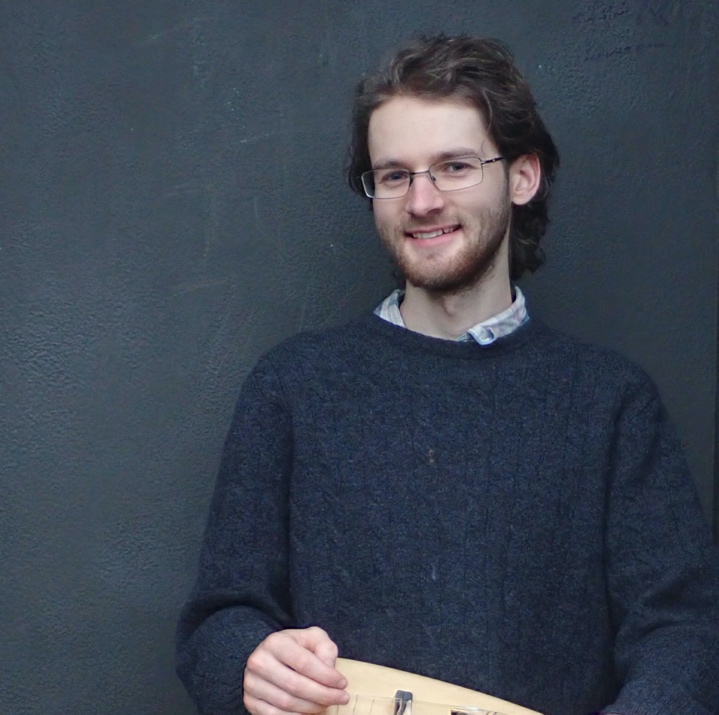
Reading https://en.wikipedia.org/wiki/Adolescence has made me realise I have almost no memory of the thought patterns I used/how I thought earlier in my life.
Oh for goodness sake Yahoo Groups, Unicode isn’t that difficult. No wonder everyone uses google for mailing lists (apart, apparently, from South Brent #freecycle :/)
It seems my brother is not overly impressed with my heartfelt rendition of “Half Caste”.
What is it called when you subconsciously expect a UI to be somewhere it isn’t, e.g. double-tapping a word in a dead tree book to get a definition, or expecting a "like/favourite" button in, e.g, an email client?
And no jokes about obsession :) it can't just be me.
Shane Becker yeah, where are all these #ruby apps consuming µf2?! My fairly complete #php µf2 parser has had 55 installs so far, probably mainly me updating it :)
Tags and categories have different connotations. To me, tags are community, collaboration, flexibility, fuzziness, visibile metadata. Categories are authority, rigidity, structure, taxonomy. Tags can be found inside content (#hashtags), categories are separate, controlling entities. Content owns tags. People own tags. Categories own content. Authority owns categories.
Beware of vague naming — some software mistakes one for the other (e.g. Mediawiki categories are in fact many-to-many).
The organisational technique used doesn’t only have technical and usability implications, but social and philosophical (or pseudo-philosophical?) ones.
.Erin Richey my reasoning is that tags are something you add to content, whereas categories are something you put content into. Tags -> content -> categories — so categories are higher up in the pecking order.
Erin Richey well, that’s the sane, eloquent, rational way of putting it :)
Tags enrich your content, categories demean it.
Trad. 2/2 G
M:2/2
L:1/8
K:G
dc|B2Bc A2AB|G2G2 G2AB|cBcd edcB|A2A2 A2dc|
Trad. 2/2 G
M:2/2
L:1/4
K:G
B>A GE|DE G2|FG A2|GA B2|B>A GE|DE G2|
Trad. 2/2 C
M:2/2
L:1/4
K:C
ce ce|dg g/f/e/d/|ce ce|d/c/B/A/ GA/B/|ce ce|
Trad. 2/2 Dmin From Finland (presumably)
M:2/2
L:1/8
K:Dmin
D2F2 AGFE|DFAd f2f2|g2ec Acef|edcB AGFE|
Trad. 2/2 G
M:2/2
L:1/4
K:G
d/c/|BG2D|E2 DG|FG CB|A/G/F/E/ Dd/c/|B G2 D|E2 DG|
Trad. 2/2 G
M:2/2
L:1/8
K:G
d2Bc d2de|dcBA B2G2|d2Bc d2g2|d2cB A4 :|
Trad. 3/4 G French Waltz
M:3/4
L:1/8
K:G
c2 cB cA|B2 BA BG|G2 E2 E2|c2 cB cA|B2 BA BG|
Trad. 2/2 G French Polka.
M:2/2
L:1/8
K:G
D2EF G2G2|FGAF G4|ABcA B2G2|ABcA B2G2|
Trad. 2/2 G French Polka. Part Order: AABB
M:2/2
L:1/8
K:G
d2d2 B2 B2|G2G2 E2AB|c2A2 A2BA|1 GFGA BABc :|2GFGA G4 ||